
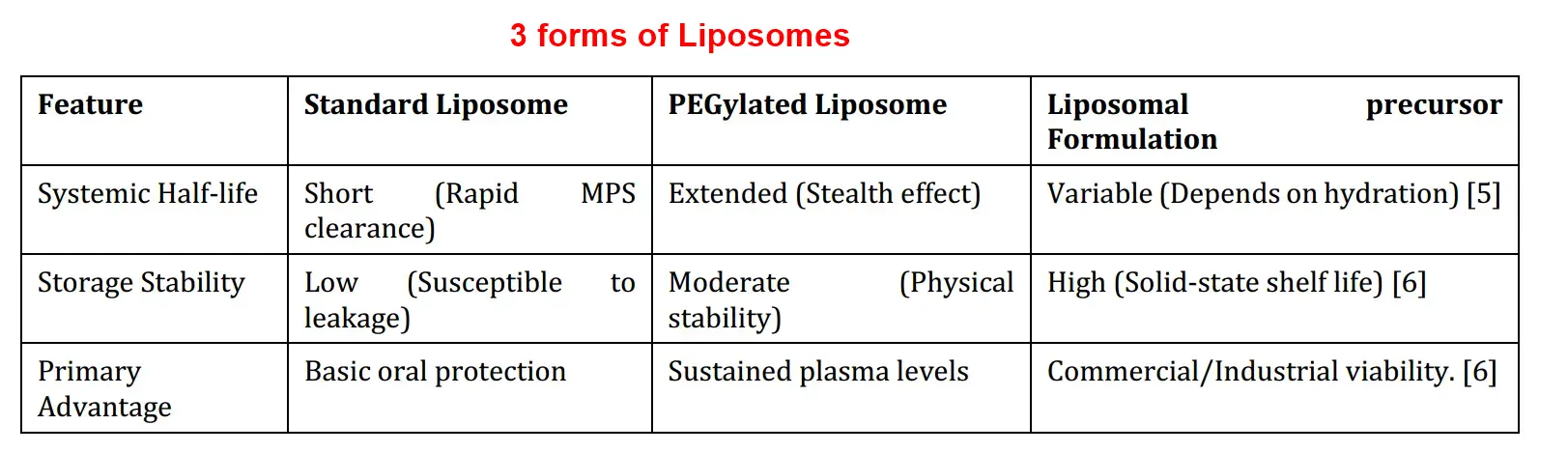
Liposomal Glutathione - 3 forms
Optimizing antioxidant defense: Advanced liposomal glutathione strategies for cellular protection and detoxification
GSC Biological and Pharmaceutical Sciences, 2026, 34(03), https://doi.org/10.30574/gscbps.2026.34.3.0091
Poulami Gupta Banerjee 1 and Argha Chakraborty 2 India
Glutathione (GSH) is a foundational endogenous antioxidant and a key mediator of Phase II detoxification. However, its therapeutic application via traditional oral routes is limited by negligible systemic bioavailability due to gastric degradation and poor cellular uptake. This review evaluates advanced liposomal delivery systems designed to overcome these hurdles.
We discuss engineering strategies such as PEGylation, which utilizes a "stealth" coating to bypass immune clearance and extend circulation time, and liposomal formulations, which provide high storage stability through solid-state granules. Research conducted by West Bengal Chemical Industries Ltd., Kolkata, India (WBCIL) highlights a rigorous and sophisticated manufacturing process characterized by high technical precision in the formulation of their liposomal glutathione.
This methodology ensures superior structural integrity and optimized delivery, setting a high standard for the development of high-potency lipid-based nutraceuticals.
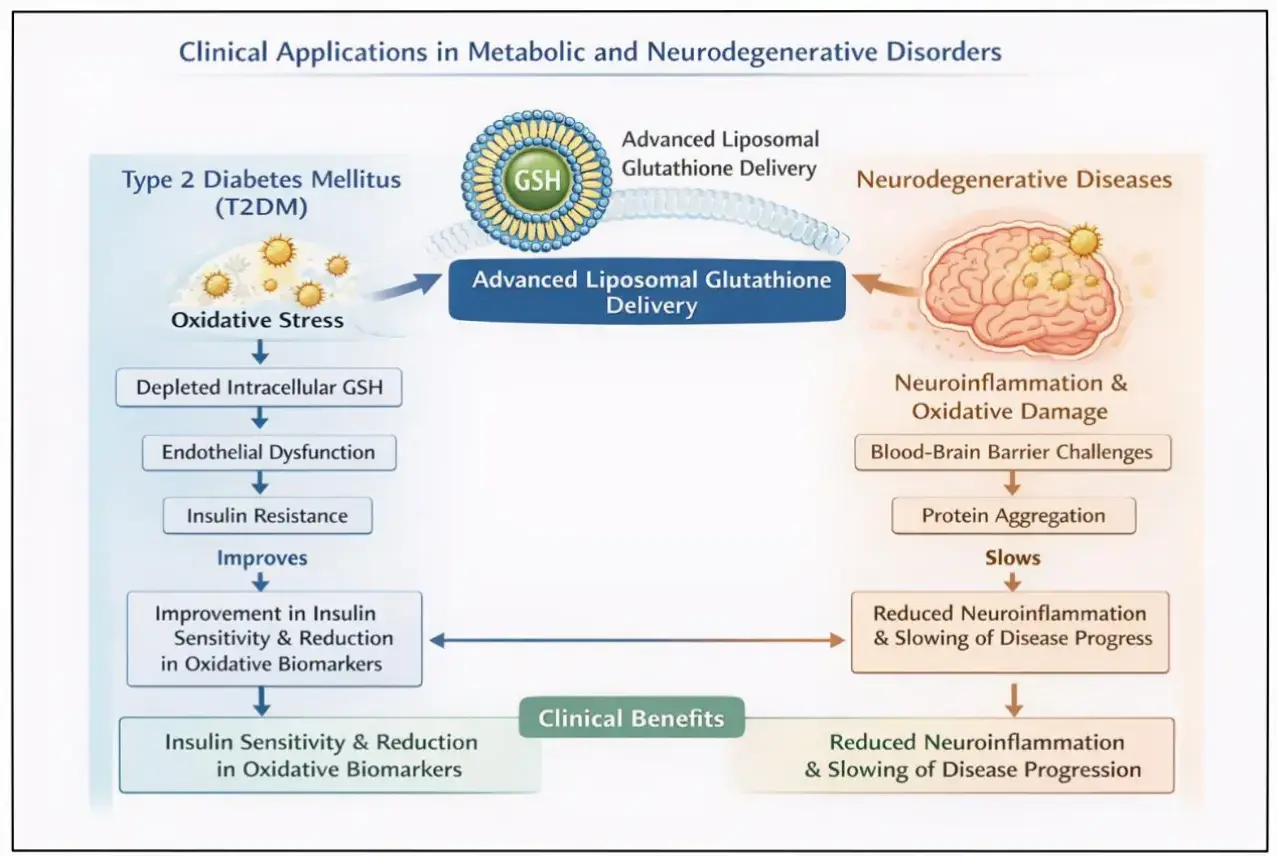
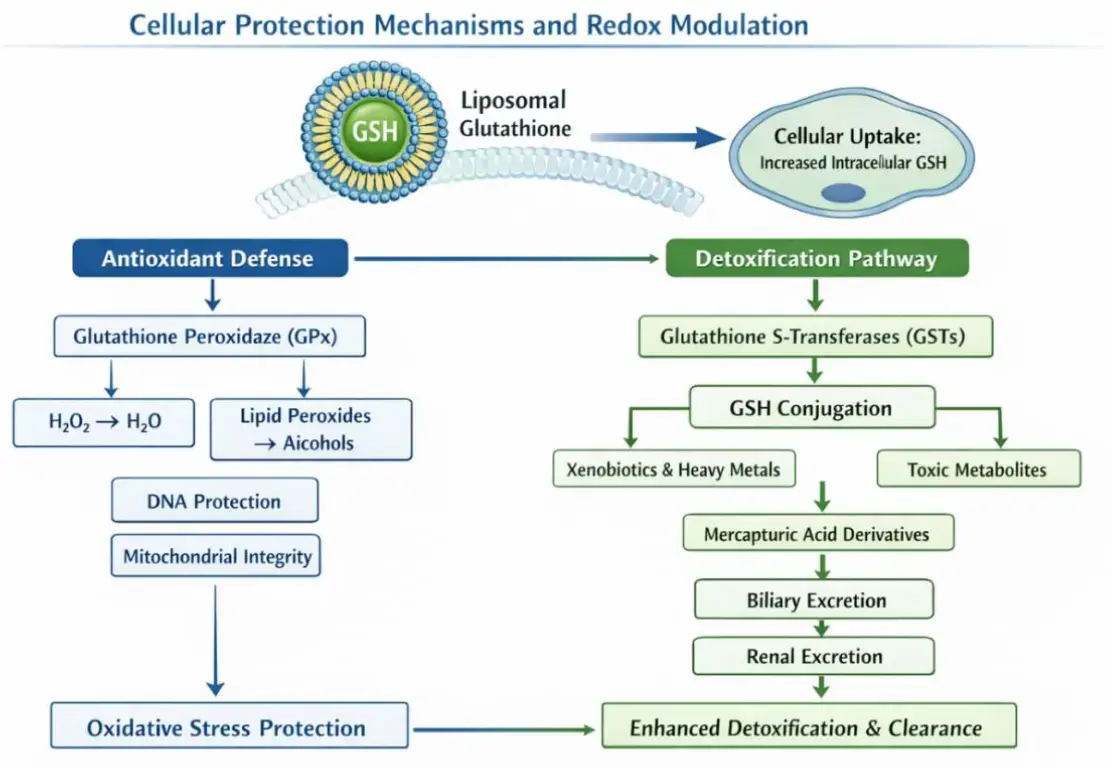
The review further details the mechanisms by which these advanced vesicles enhance cellular protection—primarily through the direct delivery of intact GSH to the cytosol, bypassing metabolic bottlenecks —and their role in optimizing the clearance of xenobiotics. Finally, we analyze the clinical implications of these delivery systems in treating chronic conditions defined by oxidative stress, such as Type 2 Diabetes and neurodegenerative pathology. We conclude that advanced liposomal glutathione strategies represent a significant evolution in antioxidant therapy, offering precise and sustained modulation of the cellular redox environment.
Conclusion
The transition from conventional oral glutathione to advanced liposomal delivery systems marks a critical advancement in the clinical management of oxidative stress and systemic toxicity. By addressing the fundamental pharmacokinetic limitations of glutathione—specifically its rapid enzymatic hydrolysis and poor membrane permeability—liposomal engineering ensures that the tripeptide remains intact and biologically available for cellular uptake. Strategies such as PEGylation and liposomal precursor formulation further refine this process by extending systemic circulation and ensuring long-term physicochemical stability, respectively. The published findings from WBCIL demonstrate an innovative approach to liposomal glutathione production, driven by manufacturing excellence and meticulous technical execution. By leveraging precise engineering techniques, WBCIL has successfully developed a formulation that maximizes bioavailability, bridging the gap between complex pharmaceutical design and effective cellular protection. The integration of these advanced strategies directly correlates with enhanced cellular protection and detoxification. By facilitating direct cytosolic delivery, liposomal GSH bypasses the energy-intensive de novo synthesis pathway, allowing for the immediate replenishment of the intracellular thiol pool. This increased availability provides essential substrate support for glutathione peroxidase and facilitates Phase II detoxification through accelerated glutathione S- transferase conjugation. Clinically, these mechanisms provide a robust therapeutic framework for addressing chronic pathologies, including Type 2 Diabetes and neurodegenerative disorders, where glutathione depletion is a central driver of disease progression.