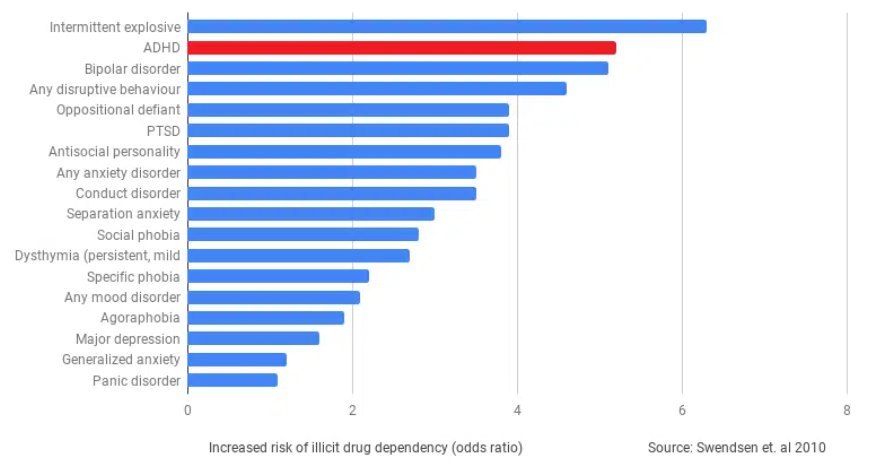
ADHD and Vitamin D Deficiency
ADHD and Vitamin D Deficiency category listing contains
ADHD children have much lower levels of vitamin D
ADHD is more likely if low vitamin D in early pregnancy
Less sun is associated with more ADHD (season and latitude)
The ADHD rate has increased a lot in the past few decades - especially for adults
Vitamin D levels have dropped a lot in the past few decades
There are many positive observational studies of Vitamin D and ADHD
ADHD shares risk factors with Autism and many other diseases:
- Low Vitamin D, Low Omega-3, Low Magnesium, Low UVB (= high latitude or winter)
ADHD has been treated by each of Vitamin D, Omega-3, Magnesium, and Zinc
Vitamin D, Omega-3, and Magnesium are very synergistic - best to try all three
3,030 studies in Google Scholar on ADHD + OMEGA-3 + Magnesium + Vitamin D as of Jan 2025
Magnesium as a potential complementary treatment for ADHD - a review of recent literature - May 2024 FREE PDF
How Vitamin D, Magnesium, Omega-3 and Zinc prevent and treat COVID-19 etc. – June 2021 citing VitaminDWiki
Role of vitamins and nutrients in the management of attention-deficit hyperactivity disorder (ADHD): a narrative review - May 2024 FREE PDF
ADHD proven to be prevented and treated in children, ADHD Adult Trials are underway - Feb 2026
Children's trials (the existing evidence base)
All the published RCTs to date have been conducted in children, typically ages 5–13. A 2019 systematic review and meta-analysis by Gan et al. identified 4 RCTs involving 256 children with ADHD, all using vitamin D as adjunctive therapy to methylphenidate, with doses ranging from 1,000 IU/day to 50,000 IU/week over 6–12 weeks. The authors found vitamin D supplementation may alleviate ADHD symptoms, supported by improvements in total scores, inattention, hyperactivity, and behavior scores, though not oppositional measures. A more recent 2025 meta-analysis by a Chinese team found five trials involving 347 participants that specifically evaluated vitamin D showed a large effect size improvement in ADHD symptoms and executive function.
However, there's an important caveat: the positive results for vitamin D were largely driven by studies from Iran, and so far no positive study has emerged from a non-Iranian research group.
The adult gap
Multiple systematic reviews explicitly flag that adults have not been studied. The Gan et al. meta-analysis concluded that well-designed RCTs are needed for both children and adults with ADHD. A 2025 overview of systematic reviews similarly emphasized the need for well-powered clinical trials to guide practice, noting that ADHD often persists through adulthood and may be underdiagnosed in adults.
Registered but not yet completed
There are at least two trials registered at Yale (NCT03103750 and NCT04386811) that are specifically testing calcitriol (active vitamin D) as an adjunct to stimulant medications in adults with ADHD.
One registered trial references that a prior randomized double-blind study among adults with ADHD reported a beneficial effect, but notes the intervention included a combination of nutrients rather than vitamin D alone. The Yale trial hypothesizes that calcitriol administration will enhance the positive neurocognitive effects of current stimulant medications in individuals with ADHD.
Bottom line
The biological rationale applies equally to adults — vitamin D receptors in brain regions implicated in ADHD, regulation of dopamine synthesis via tyrosine hydroxylase, and modulation of serotonin pathways are not age-limited mechanisms. But the clinical trial evidence simply hasn't been generated yet for the adult population. The Yale trials, if completed and published, could be the first direct evidence.
Many Ritaline side effects - Perplexity AI Feb 2026
Ritalin (methylphenidate) commonly causes decreased appetite, stomach and sleep problems, headache, and nervousness, and can more rarely cause serious heart, psychiatric, and growth-related side effects. goodrx
Common short‑term side effects
- Decreased appetite and weight loss. medlineplus
- Stomach pain, nausea, vomiting, heartburn, or diarrhea. my.clevelandclinic
- Trouble sleeping (insomnia) and drowsiness or fatigue in some people. goodrx
- Headache, dizziness, and nervousness or anxiety. webmd
- Dry mouth and increased sweating. americanaddictioncenters
- Faster heart rate, palpitations, and small increases in blood pressure. mayoclinic
Less common but serious effects
- Mood or behavior changes: irritability, aggression, severe anxiety, depression, or psychotic symptoms such as hallucinations. nhs
- Serious heart problems: chest pain, shortness of breath, fainting, dangerously fast or irregular heartbeat, or symptoms of stroke. nhs
- Seizures or severe neurological symptoms (sudden severe headache, confusion, loss of coordination, speech changes). mayoclinic
- Severe skin or allergic reactions: rash, hives, swelling of face or tongue, trouble breathing (medical emergency). medlineplus
- Prolonged, painful erections (priapism) in males. goodrx
- Circulation problems in fingers and toes (numb, cold, or color changes). mayoclinic
Effects in children and teens
- Slowed growth: reduced weight gain and sometimes height; growth is usually monitored during treatment. pmc.ncbi.nlm.nih
- Worsening or new tics or Tourette syndrome symptoms. nhs
Long‑term and misuse risks
- Persistent insomnia, appetite suppression, and increased heart rate or blood pressure if not well‑managed. webmd
- Dependence and misuse; methylphenidate has an FDA boxed warning for abuse and overdose risk. pmc.ncbi.nlm.nih
- Chronic high‑dose or non‑medical use can trigger severe anxiety, paranoia, or other psychiatric effects. nami
When to get urgent help
- Call emergency services right away for chest pain, trouble breathing, symptoms of stroke, severe allergic reaction, seizures, or suicidal thoughts or behavior. webmd
ADHD Omega-3 on the web
Omega-3 PUFAs in children with ADHD 2019 Ph.D. thesis, extensive abstract
2019 Ph.D. by Sellick "The effects of omega-3 polyunsaturated fatty acids on the cognitive neuroscience of ADHD." PDF
ADHD reduced by Omega-3 in trials either using high doses or over the long term – July 2016
Critical appraisal of omega-3 fatty acids in attention-deficit/hyperactivity disorder treatment.
Neuropsychiatr Dis Treat. 2016 Jul 26;12:1869-82. Doi 10.2147/NDT.S68652. eCollection 2016.
Königs A1, Kiliaan AJ1.Department of Anatomy, Donders Institute for Brain, Cognition & Behaviour, Radboud University Medical Center, Nijmegen, the Netherlands.
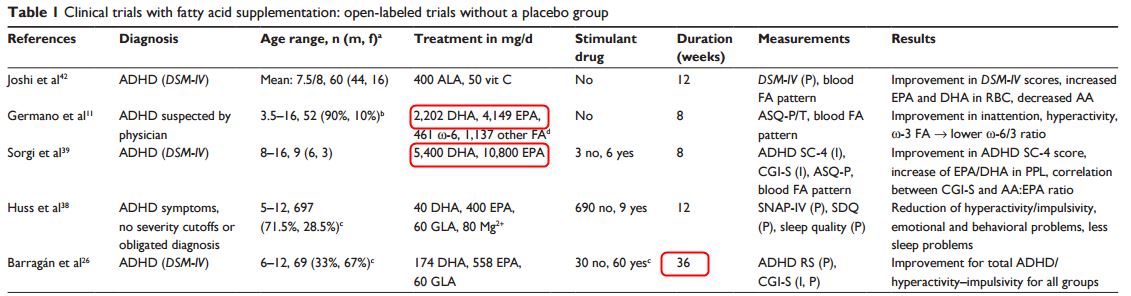
Attention-deficit/hyperactivity disorder (ADHD) is a common neurodevelopmental disorder. The classical treatment of ADHD, where stimulant medication is used, has revealed severe side effects and intolerance. Consequently, the demand to search for alternative treatment has increased rapidly. When comparing levels of omega-3 polyunsaturated fatty acids (ω-3 PUFAs) in ADHD patients with those in age-matching controls, lower levels are found in ADHD patients' blood. ω-3 PUFAs are essential nutrients and necessary for proper brain function and development. Additionally, there are strong indications that ω-3 PUFA supplements could have beneficial effects on ADHD. However, the results of ω-3 PUFA supplementation studies show high variability. Therefore, we reviewed recent studies published between 2000 and 2015 to identify effective treatment combinations, the quality of design, and the safety and tolerability of ω-3-containing food supplements. We searched the databases MEDLINE, PubMed, and Web of Science with keywords such as "ADHD" and "ω-3/6 PUFA" and identified 25 studies that met the inclusion and exclusion criteria.
The results of these ω-3 PUFA studies are contradictory but, overall, show evidence for successful treatment of ADHD symptoms. The tolerability of the given supplements was high, and only mild side effects were reported.
In conclusion, there is evidence that a ω-3 PUFA treatment has a positive effect on ADHD. It should be added that treatment could be more effective in patients with mild forms of ADHD. Moreover, the dosage of stimulant medication could be reduced when used in combination with ω-3 PUFA supplements. Further studies are necessary to investigate underlying mechanisms that can lead to a reduction of ADHD symptoms due to ω-3 PUFA treatments and also to determine the optimal concentrations of ω-3 PUFAs, whether used as a single treatment or in combination with other medication.
📄 Download the PDF from VitaminDWiki
Half of ADHD children treated by Omega-3 RCT 2009
Omega-3/Omega-6 Fatty Acids for Attention Deficit Hyperactivity Disorder, A Randomized Placebo-Controlled Trial in Children and Adolescents
Journal of Attention Disorders March 2009 vol. 12 no. 5 394-401
Objective: The aim of the study was to assess omega 3/6 fatty acids (eye q) in attention deficit hyperactivity disorder (ADHD). Method: The study included a randomized, 3-month, omega 3/6 placebo-controlled, one-way crossover trial with 75 children and adolescents (8—18 years), followed by 3 months with omega 3/6 for all. Investigator-rated ADHD Rating Scale—IV and Clinical Global Impression (CGI) scale were outcome measures. Results: A majority did not respond to omega 3/6 treatment.
However, a subgroup of 26% responded with more than 25% reduction of ADHD symptoms and a drop of CGI scores to the near-normal range.
After 6 months, 47% of all showed such improvement. Responders tended to have ADHD inattentive subtype and comorbid neurodevelopmental disorders.
Conclusion: A subgroup of children and adolescents with ADHD, characterized by inattention and associated neurodevelopmental disorders, treated with omega 3/6 fatty acids for 6 months responded with a meaningful reduction of ADHD symptoms. (J. of Att. Dis. 2009; 12(5) 394-401)
📄 Download the PDF from Sci-Hub via VitaminDWiki
PubMed - March 2019 Omega-3 appears to treat ADHD
The Role of Omega-3 Fatty Acids in Developmental Psychopathology: A Systematic Review on Early Psychosis, Autism, and ADHD Dec 2017, free PDF
-
- Omega-3 for just 12 weeks significantly improved ADHD therapy
- A double-blind placebo-controlled randomised trial of omega-3 supplementation in children with moderate ADHD symptoms Oct 2017
- 12 weeks, no improvement
- Do Omega-3/6 Fatty Acids Have a Therapeutic Role in Children and Young People with ADHD? Aug 2017
- 15 studies reviewed. "omega-3/6 fatty acids offer great promise as a suitable adjunctive therapy for ADHD."
- Full free PDF online
- Omega-6 to Omega-3 Fatty Acid Ratio in Patients with ADHD: A Meta-Analysis Spring 2016 Free PDF
ADHD is helped by a combination of Omega-3 and zinc-2016
📄 Download the PDF from VitaminDWiki
ADHD helped by 50,000 IU vitamin D weekly + Mg - RCT April 2021
The effect of vitamin D and magnesium supplementation on the mental health status of attention-deficit hyperactive children: a randomized controlled trial
BMC Pediatrics volume 21, Article number: 178 (2021)
Mostafa Hemamy, Naseh Pahlavani, Alireza Amanollahi, Sheikh Mohammed Shriful Islam, Jenna McVicar, Gholamreza Askari & Mahsa Malekahmadi
Background
Attention-Deficit / Hyperactivity Disorder (ADHD) is a neurodevelopmental disorder characterized by varying severity in attention deficit and hyperactivity. Studies have shown deficiencies in the serum level of magnesium and vitamin D in people with ADHD. The aim of this study is to determine the effect of vitamin D and magnesium supplementation on mental health in children with ADHD.
Methods
We conducted a randomized, double-blind, placebo-controlled clinical trial of 66 children with ADHD. Participants were randomly allocated to receive both vitamin D (50,000 IU/week) plus magnesium (6 mg/kg/day) supplements (n = 33) or placebos (n = 33) for 8 weeks. A strengths and difficulties questionnaire was used to evaluate children’s mental health at baseline and the end of the study.
Results
After eight weeks of intervention, the serum levels of 25-hydroxy-vitamin D3 and magnesium increased significantly in the intervention group compared with the control group. Also, children receiving vitamin D plus magnesium showed a significant reduction in emotional problems (p = 0.001), conduct problems (p = 0.002), peer problems (p = 0.001), prosocial score (p = 0.007), total difficulties (p = 0.001), externalizing score (p = 0.001), and internalizing score (p = 0.001) compared with children treated with the placebo.
Conclusion
Vitamin D (50,000 IU/week) and magnesium (6 mg/kg/day) co-supplementation for a duration of 8 weeks could improve the behavioral function and mental health of children with ADHD. However, further well-designed studies with a larger sample size are needed.
Trial registration: IRCT2016030326886N1
📄 Download the PDF from VitaminDWiki
ADHD treated by Vitamin D - Meta-analysis of trials Oct 2019
The Effect of Vitamin D Supplementation on Attention-Deficit/Hyperactivity Disorder: A Systematic Review and Meta-Analysis of Randomized Controlled Trials
Journal of Child and Adolescent PsychopharmacologyVol. 29, No. 9 https://doi.org/10.1089/cap.2019.0059
Jing Gan, Peter Galer, Dan Ma, Chao Chen, and Tao Xiong
Objective: A systematic review and meta-analysis of randomized controlled trials (RCTs) were conducted to assess the benefits and harms of vitamin D supplementation for attention-deficit/hyperactivity disorder (ADHD) patients.
Methods: We followed the standard methodological procedures of the Cochrane Handbook for Systematic Reviews of Intervention. PubMed, Embase, the Cochrane Central Register of Controlled Trials, Science and Conference Proceedings Citation Index-Social Science and Humanities (Web of Science), ClincalTrials.gov, and World Health Organization's International Clinical Trials Registry Platform were searched for RCTs in January 2019. Independently, two authors (J.G., T.X.) extracted data, assessed the risk of bias, combined the data, and graded evidence quality using the Grading of Recommendations Assessment, Development, and Evaluation approach. Our primary outcomes were assessed through rating scales of ADHD severity. Secondary outcomes measured were the possible adverse effects of vitamin D supplementation and vitamin D status after supplementation for ADHD.
Results: We included four RCTs with 256 children addressing vitamin D supplementation as adjunctive therapy to methylphenidate on ADHD symptoms. Vitamin D supplementation demonstrated a small but statistically significant improvement in ADHD total scores, inattention scores, hyperactivity scores, and behavior scores. The improvement was likely limited due to the low to very low quality of evidence in the literature. There was no statistically significant improvement in oppositional scores. Reported adverse events in the vitamin D group were mild and not significantly different from the control group. Vitamin D supplementation increased serum vitamin D levels and the ratio of patients with sufficient vitamin D levels.
Conclusions: Vitamin D supplementation as adjunctive therapy to methylphenidate appeared to reduce ADHD symptoms without serious adverse events associated with improved vitamin D status. However, considering the generally low strength of evidence, well-designed RCTs are needed to determine the efficacy and safety of vitamin D supplementation for both children and adults with ADHD, especially in the setting of a combination of vitamin D and other ADHD treatments.
📄 Download the PDF from VitaminDWiki
ADHD helped somewhat by Omega-3 in 8 weeks - Sept 2022
Impulsiveness in children with attention-deficit/hyperactivity disorder after an 8-week intervention with the Mediterranean diet and/or omega-3 fatty acids: a randomized clinical trial
Neurología Vol 37, Issue 7, Sept 2022, Pages 513-523 https://doi.org/10.1016/j.nrleng.2019.09.009
San Mauro Martin a, S. Sanz Rojo a, L. González Cosano a, R. Conty de la Campa a, E. Garicano Vilar a, J.A. Blumenfeld Olivares b c
Introduction
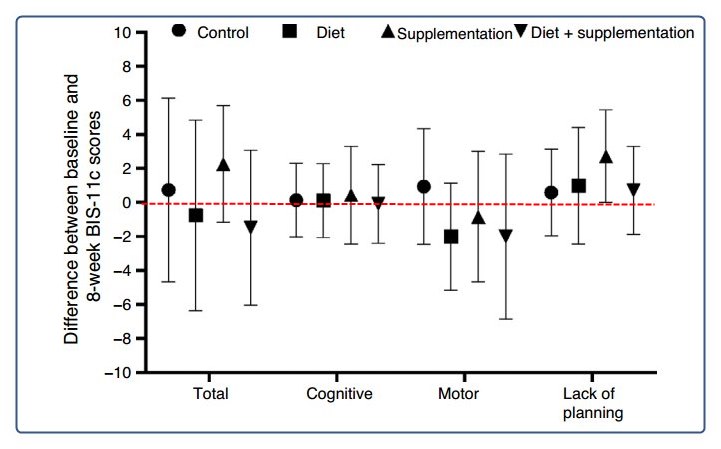
The Barratt Impulsiveness Scale (BIS) is a self-administered instrument designed to assess the personality/behavioral construct of impulsiveness. Impulsiveness has been associated with several psychiatric disorders, including attention-deficit/hyperactivity disorder (ADHD). This study assesses the progression of impulsive behavior in children with ADHD after an 8-week dietary intervention with the Mediterranean diet and/or omega-3 fatty acid supplementation by using a version of the 11-item BIS adapted for children (BIS-11c).
Methods
This cross-sectional study includes 60 children with ADHD from the region of Madrid, Spain. Participants were divided into 4 groups, with one control group and 3 intervention groups (Mediterranean diet, omega-3 supplementation, and Mediterranean diet plus omega-3 supplementation). A personalized Mediterranean diet was designed for members of groups 2 and 4. The BIS-11c was administered to determine the level of impulsiveness, and the KIDMED test was used to assess adherence to the Mediterranean diet.
Results
The supplementation group showed a fairly significant decrease in the total BIS-11c (P = .049). Total cognitive score slightly decreased in the diet and supplementation groups. Only the control group showed a considerable decrease in the total motor score. Total non planning scores were lower in all groups after the intervention. Baseline and final BIS-11c scores were positively correlated with treatments (r > 0.9).
Conclusion
An intake of 550 mg EPA fatty acid and 225 mg DHA fatty acid per day for 8 weeks is associated with less marked impulsive behavior in children with ADHD. A Mediterranean diet may improve BIS scores, although our results are not conclusive in this population.
📄 Download the PDF from VitaminDWiki
Note: This study does not even contain the phrase "Omega-6". Doubt that the Med Diet was low in Omega-6 cooking oilds which can block most of the benefit of the Omega-3
Saffron as good as Ritalin at treating ADHD - RCT 2019
Randomized Double-Blind Study Shows Saffron Can Help ADHD Mercola
6-week trial 20-30 mg of either ==> same result
"Saffron, known as the world’s most expensive spice by weight, has traditionally been valued for its antispasmodic, antiseptic, antidepressant, anticancer and anticonvulsant effects, and the researchers noted that saffron’s active compounds are known to “increase the reuptake inhibition of dopamine and norepinephrine and are N-methyl D-aspartic acid (NMDA) receptor antagonists and GABA-α agonists.”
"Therapeutically, they add, saffron has been shown to enhance memory while also possessing antidepressant, antianxiety, and neuroprotective effects that may be valuable in the treatment of ADHD."
From Crocus sativus L. Versus Methylphenidate in Treatment of Children with Attention-Deficit/Hyperactivity Disorder: A Randomized, Double-Blind Pilot Study Feb 2019
ADHD associated with Low Vitamin D - - - - - - - -
Doxycycline in early pregnancy increases risk of ADHD in child by 3X – if low Vitamin D – Oct 2024
Associating prenatal antibiotics exposure with attention deficit hyperactivity disorder symptoms in preschool children: The role of maternal vitamin D
Ecotoxicology and Environmental Safety Vol 285 , 15 Oct 2024, https://doi.org/10.1016/j.ecoenv.2024.117037
Highlights
Biomonitoring-based study on prenatal antibiotics and preschoolers’ ADHD symptoms.
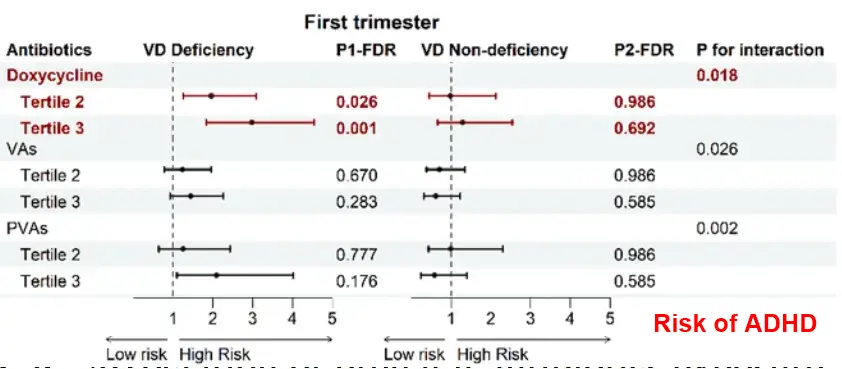
Doxycycline exposure during the first trimester increases ADHD symptom risk.
HAs/PHAs exposure during the first trimester increases ADHD symptom risk.
Mid-pregnancy sulfamethazine exposure shows greater neurotoxicity in girls.
Effect of maternal vitamin D can modify doxycycline exposure on ADHD symptoms.
Background
The associations between prenatal antibiotics exposure and attention-deficit/hyperactivity disorder (ADHD) in preschoolers, and the role of maternal vitamin D in these associations, remain to be explored.
Objectives
To evaluate the relationships between multiple maternal urinary antibiotics levels and preschoolers’ ADHD symptoms, and to identify the potential modifying effects of maternal vitamin D.
Methods
Based on a prospective birth cohort, the present study included 2033 mother single bond child pairs. Maternal urine and serum samples were collected during all three trimesters to measure the urinary concentrations of 43 antibiotics (including two metabolites) and the serum vitamin D levels. The ADHD symptoms of preschoolers were assessed using the Diagnostic and Statistical Manual–oriented ADHD problems scale in the Achenbach Child Behavior Checklist. Multiple informant models in the form of logistic regression were conducted to investigate the associations between prenatal antibiotics exposure and preschooler ADHD symptoms, and these associations were stratified by child sex and maternal vitamin D status.
Results
Compared with the lowest tertile concentrations, maternal exposure to the middle tertile concentrations of doxycycline and human antibiotics/preferred as human antibiotics (HAs/PHAs), and the highest tertile concentrations of doxycycline during the first trimester were associated with an increased risk of ADHD symptoms in children. An increased risk of ADHD symptoms was observed in girls exposed to the highest tertile levels of sulfamethazine during the second trimester. Furthermore, pregnant women with vitamin D deficiency have a greater risk of ADHD symptoms in their offspring after exposure to doxycycline in the first trimester.
Conclusions
Maternal exposure to doxycycline and HAs/PHAs during the first trimester increases the risk of ADHD symptoms in preschoolers. Mid-pregnancy sulfamethazine exposure increases the risk of ADHD symptoms in girls. Maternal vitamin D deficiency during pregnancy may exacerbate the adverse effects of doxycycline exposure on ADHD symptoms.
📄 Download the PDF from VitaminDWiki
ADHD 2 X more likely if Tylenol (which decreases Vitamin D) was used a lot during pregnancy
ADHD 2 X more likely if Tylenol used a lot during pregnancy (Autism increased too) – Dec 2016
ADHD 1.5X more likely if low Vitamin D during early pregnancy– Dec 2019
Maternal Vitamin D Levels and the Risk of Offspring Attention-Deficit/Hyperactivity Disorder
Journal of the American Academy of Child & Adolescent Psychiatry https://doi.org/10.1016/j.jaac.2019.11.021
Objective
Recent evidence has highlighted the importance of vitamin D to the development of the central nervous system. Some studies have shown an association between maternal vitamin D deficiency during pregnancy and offspring Attention-deficit/hyperactivity disorder (ADHD) symptoms based on parent- or teacher ratings. There are no previous studies on early pregnancy 25-hydroxyvitamin D (25(OH)D) levels and the risk of diagnosed offspring ADHD. Our aim was to examine maternal 25(OH)D levels in early pregnancy and offspring ADHD.
Method
In this nationwide population-based case-control study, 1067 ADHD cases were born between 1998 and 1999 and diagnosed according to the International Classification of Diseases, and 1067 matched controls were identified from Finnish registers. Maternal 25(OH)D levels were measured using quantitative immunoassay from maternal sera, collected during the first trimester, and archived in the national biobank. Conditional logistic regression was used to examine the association between maternal 25(OH)D and offspring ADHD.
Results
There was a significant association between decreasing log-transformed maternal 25(OH)D levels and offspring ADHD both in the unadjusted analyses (OR 1.65, 95% CI 1.33-2.05, P<.001) as well as in the analyses adjusting for maternal socio-economic status and age (OR 1.45, 95% CI 1.15-1.81, P=.002). Analyses by quintiles of maternal 25(OH)D levels in the lowest versus highest quintile revealed an adjusted odds ratio for offspring ADHD of 1.53 (95% CI 1.11-2.12, P=.010).
Conclusion
This study demonstrated an association between low maternal 25(OH)D during pregnancy and an elevated risk for offspring ADHD. If replicated in independent samples, this finding may have significant public health implications.
For every 10 ng of vitamin D during pregnancy, 11% less likely for a child to have ADHD symptoms - July 2015
Vitamin D in Pregnancy and Attention Deficit Hyperactivity Disorder-like Symptoms in Childhood.
Epidemiology. 2015 Jul;26(4):458-65. doi: 10.1097/EDE.0000000000000292.
Morales E1, Julvez J, Torrent M, Ballester F, Rodríguez-Bernal CL, Andiarena A, Vegas O, Castilla AM, Rodriguez-Dehli C, Tardón A, Sunyer J.
BACKGROUND: Vitamin D status during prenatal brain development may influence the risk of attention deficit and hyperactivity disorder (ADHD) symptoms in childhood. However, there are no prospective studies addressing this hypothesis. We aimed to examine whether maternal vitamin D status in pregnancy is associated with the risk of ADHD-like symptoms in offspring.
METHODS: We conducted a prospective study analyzing data from 1,650 mother-child pairs from five birth cohorts embedded in the INMA Project (Spain, 1997-2008). Maternal vitamin D status in pregnancy was estimated by measuring plasma concentration of 25-hydroxyvitamin D3 [25(OH)D3] at 13 weeks of gestation. Children were assessed by teachers for ADHD-like symptoms at ages 4-5 years using the Diagnostic and Statistical Manual of Mental Disorders ADHD form list.
RESULTS: After adjustment, the number of total ADHD-like symptoms in children decreased by 11% per 10 ng/ml increment of maternal 25(OH)D3 concentration (incidence rate ratio [IRR] = 0.89; 95% confidence interval [CI] = 0.80, 0.98). Similarly, the number of symptoms in the ADHD subscales decreased in relation to higher maternal 25(OH)D3 concentration (IRR per 10 ng/ml increment = 0.89; 95% CI = 0.79, 0.99 for the inattention scale; and IRR = 0.88; 95% CI = 0.78, 0.99 for the hyperactivity-impulsivity scale). Using diagnostic criteria, we found an association between increasing maternal 25(OH)D3 with a lower risk of ADHD DSM-IV (relative risk ratio per 10 ng/ml increment = 0.87; 95% CI = 0.72, 1.06) and ICD-10 hyperkinetic disorder (relative risk ratio = 0.72; 95% CI = 0.49, 1.04) in children.
CONCLUSION: Higher maternal circulating levels of 25(OH)D3 in pregnancy are associated with a lower risk of developing ADHD-like symptoms in childhood.
ADHD decreased by 11% for every 4 ng higher level of vitamin D in the cord at birth - 2016
Inverse associations between cord vitamin D and attention deficit hyperactivity disorder symptoms: A child cohort study.
Aust N Z J Psychiatry. 2016 Sep 30. pii: 0004867416670013.
Mossin MH1, Aaby JB1, Dalgård C2, Lykkedegn S3, Christesen HT3, Bilenberg N4.
OBJECTIVE: To examine the association between cord 25-hydroxyvitamin D2+3 (25(OH)D) and attention deficit hyperactivity disorder symptoms in toddlers, using the Child Behaviour Checklist for ages 1.5-5.
METHOD: In a population-based birth cohort, a Child Behaviour Checklist for ages 1.5-5 questionnaires was returned from parents of 1233 infants with mean age of 2.7 (standard deviation 0.6) years. Adjusted associations between cord 25(OH)D and Child Behaviour Checklist-based attention deficit hyperactivity disorder problems were analyzed by multiple regression.
RESULTS: The median cord 25(OH)D was 44.1 (range: 1.5-127.1) nmol/L. The mean attention deficit hyperactivity disorder problem score was 2.7 (standard deviation 2.1). In adjusted analyses, cord 25(OH)D levels >25 nmol/L and >30 nmol/L were associated with lower attention deficit hyperactivity disorder scores compared to levels ⩽25 nmol/L (p = 0.035) and ⩽30 nmol/L (p = 0.043), respectively. The adjusted odds of scoring above the 90th percentile on the Child Behaviour Checklist-based attention deficit hyperactivity disorder problem scale decreased by 11% per 10 nmol/L increase in cord 25(OH)D.
CONCLUSION: An inverse association between cord 25(OH)D and attention deficit hyperactivity disorder symptoms in toddlers was found, suggesting a protective effect of prenatal vitamin D.
ADHD Prevention Opinion - Vitamin D
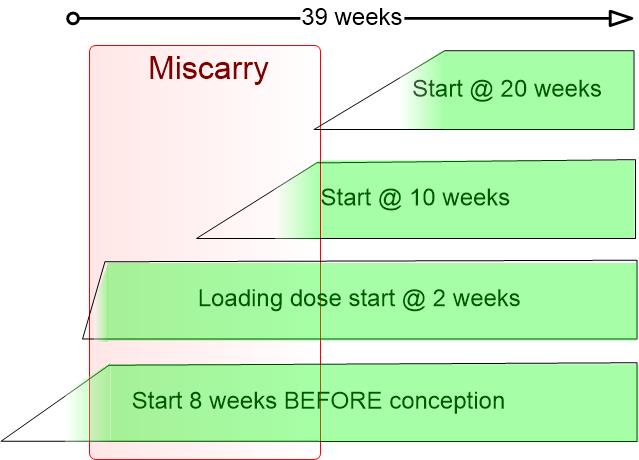
Probably can reduce the risk of ADHD by getting lots of Vitamin D in early pregnancy or pre-conception.
Ensure a healthy pregnancy and baby - take Vitamin D before conception has the following.
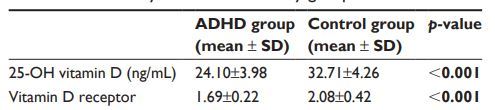
ADHD associated with both low vitamin D and poor Vitamin D Receptor - Feb 2018
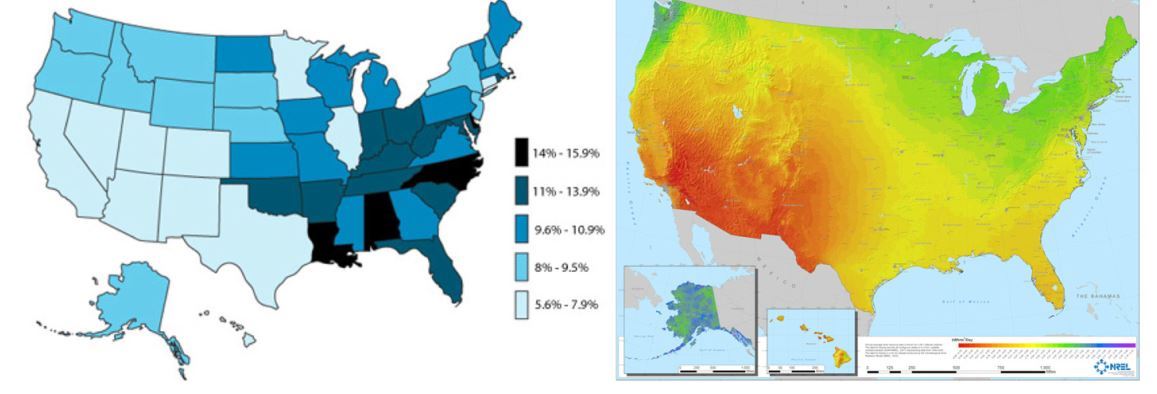
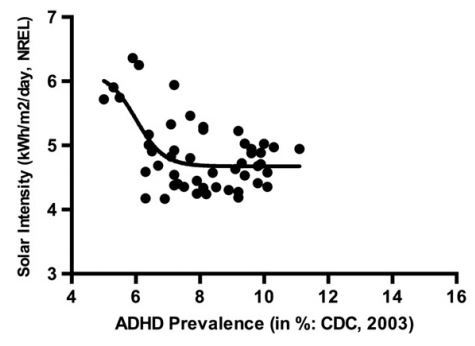
Less ADHD where the sun is brighter (United States) - March 2013
Geographic Variation in the Prevalence of Attention-Deficit/Hyperactivity Disorder: The Sunny Perspective
📄 Download the PDF from VitaminDWiki
95 percent of ADHD had inadequate vitamin D from food– Jan 2018
Evaluation of dietary intake in children and college students with and without attention-deficit/hyperactivity disorder.
Nutr Neurosci. 2018 Jan 23:1-14. doi: 10.1080/1028415X.2018.1427661.
Evaluation of dietary intake in children and college students with and without attention-deficit/hyperactivity disorder.
Holton KF1, Johnstone JM2,3, Brandley ET4, Nigg JT3.
1 Center for Behavioral Neuroscience, Department of Health Studies, American University, Washington, DC, USA.
2 Department of Neurology, Oregon Health & Science University, Portland, OR, USA.
3 Department of Child and Adolescent Psychiatry, Oregon Health & Science University, Portland, OR, USA.
4 Department of Health Studies, American University, Washington, DC, USA.
OBJECTIVES: To evaluate dietary intake among individuals with and without attention-deficit hyperactivity disorder (ADHD), and to evaluate the likelihood that those with ADHD have inadequate intakes.
METHODS:
Children, 7-12 years old, with (n = 23) and without (n = 22) ADHD, and college students, 18-25 years old, with (n = 21) and without (n = 30) ADHD, comprised the samples. Children's dietary intake was assessed by a registered dietitian using 24-hour recalls over 3 days . College students kept a detailed food record over three days. Dietary information for both groups was entered into the Nutrition Data Systems for Research database, and output was analyzed using SAS 9.4. Nutrient analyses included the Healthy Eating Index-2010, the Micronutrient Index (as a measure of overall micronutrient intake), and individual amino acids necessary for neurotransmission. Logistic regression was used to model the association of nutrient intake with ADHD. Models were adjusted for age, sex, IQ (or GPA), and energy intake (or total protein intake) as appropriate. Significance was evaluated at P = 0.05 and using the Benjamini-Hochberg corrected P-value for multiple comparisons.
RESULTS:
No evidence existed for reduced nutrient intake among those with ADHD compared to controls in either age group. Across both groups, inadequate intakes of vitamin D and potassium were reported in 95% of participants. Children largely met nutrient intake guidelines, while college students failed to meet these guidelines for nine nutrients. In regards to amino acid intake in children, an increased likelihood of having ADHD was associated with higher consumption of aspartate, OR = 12.61 (P = 0.01) and glycine OR = 11.60 **(P = 0.05); and a reduced likelihood of ADHD with higher intakes of glutamate, OR = 0.34 (P = 0.03). Among young adults, none of the amino acids were significantly associated with ADHD, though glycine and tryptophan approached significance.
DISCUSSION:
Results fail to support the hypothesis that ADHD is driven solely by dietary micronutrient inadequacy. However, amino acids associated with neurotransmission, specifically those affecting glutamatergic neurotransmission, differed by ADHD status in children. Amino acids did not reliably vary among college students. Future larger-scale studies are needed to further examine whether or not dietary intake of amino acids may be a modulating factor in ADHD.* See also web Glutamate and Aspartate Are the Major Excitatory Transmitters in the Brain *Chapter in a 1999 book - online, free
ADHD children had 21 ng of vitamin D (control = 35 ng) – Jan 2014
Vitamin D Status in Children with Attention Deficit Hyperactivity Disorder
Pediatr Int. 2014 Jan 13. doi 10.1111/ped.12286.
Goksugur SB, Tufan AE, Semiz M, Gunes C, Bekdas M, Tosun M, Demircioglu F.
Department of Pediatrics, Medical Faculty, Abant Izzet Baysal University, Bolu, Turkey.
BACKGROUND: Attention Deficit Hyperactivity Disorder (ADHD) is one of the most common psychiatric disorders of childhood and is an early onset, affecting 2-18 % of children worldwide. Etiopathogenesis of ADHD is obscure. In recent studies, low levels of vitamin D are found in association with many disorders as well as in neuropsychiatric diseases. In this study, we aimed to investigate serum vitamin D levels in pediatric ADHD patients.
METHODS: A total of 60 ADHD patients and 30 healthy controls were included in the study. The ages of both groups were in 7 and 18 years old range. Serum levels of 25-OH-Vitamin D, calcium (Ca), phosphorus (P), and alkaline phosphatase (ALP) were investigated.
RESULTS: Serum levels of 25-OH-vitamin D were found to be significantly lower in children and adolescents with ADHD compared to healthy controls, and no significant differences were found between the groups in terms of other variables. 25-OH-vitamin D level in ADHD group and control group was respectively; 20.9±19.4 ng/mL and 34.9±15.4 ng/mL (p=0.001).
CONCLUSION: Our results suggest that there is an association between lower 25-OH-vitamin D concentrations and ADHD in childhood and adolescence. To our knowledge, this is the first study that investigates the relationship between vitamin D and ADHD in children.
PMID: 24417979 Patients/caregivers can buy a copy of the study from the publisher for just $3.50
ADHD children have low vitamin D levels (19 vs. 29 ng) 2015* The Relationship between Serum Vitamin D Level and Attention Deficit Hyperactivity Disorder. *Iran J Child Neurol. 2015 Fall;9(4):48-53.
Sharif MR1, Madani M2, Tabatabaei F3, Tabatabaee Z4.
OBJECTIVE:
Attention deficit hyperactivity disorder (ADHD) is one of the most prevalent mental health disorders. In recent years, the impacts of various micronutrients on ADHD have been studied. However, vitamin D has received much less attention. This study was aimed at evaluating the association and level of serum vitamin D in children with ADHD.
MATERIALS & METHODS: This case-control study was carried out, in 2012, on 6 to 12 yr-old children. Thirty-seven were children with ADHD in the cases group, and another 37 healthy children were in the control group. A venous blood sample was drawn from each child to measure the serum level of vitamin D. Other variables were compared as well.
RESULTS: The mean serum vitamin D level of children with ADHD (19.11±10.10 ng/ml) was significantly lower than that of the control group (28.67±13.76 ng/ml) (P<0.001).
CONCLUSION: A deficiency of vitamin D has been proven in various psychiatric diseases.
This study evidenced a significantly low level of serum vitamin D in children with ADHD.
This suggests the need for regularly monitoring of serum vitamin D levels and treatment of patients with vitamin D deficiencies.* Intervention with vitamin D alleviated signs of ADHD - mentioned in PDF *An interventional study on 80 patients with ADHD above the age of 16 in New Zealand reported a 27% prevalence rate of vitamin D deficiency.
Using vitamin D supplements for eight weeks was found to be effective in alleviating the signs of the disease* 📄 Download the PDF from VitaminDWiki *---
ADHD Incidence - increasing - - - - - - - - -
1 in 9 US children diagnosed with ADHD in 2022**
had been 1 in 10 just 4 years earlier
Why Do 1 in 9 Children Now Have ADHD Diagnosis Mercola Aug 2024
In the U.S., 1 in 9 children between the ages of 3 and 17 have been diagnosed with ADHD.
30.1% had not received any treatment for ADHD
ADHD in US teens increased 1.9 X in 20 years, and black children and teens 2.7 X (low D) - in 2018
Twenty-Year Trends in Diagnosed Attention-Deficit/Hyperactivity Disorder Among US Children and Adolescents, 1997-2016
JAMA Network Open. 2018;1(4):e181471. doi:10.1001/jamanetworkopen.2018.1471
Guifeng Xu, MD1,2; Lane Strathearn, MBBS, FRACP, PhD1,3; Buyun Liu, MD, PhD2; et al Binrang Yang, MD, PhD1,4; Wei Bao, MD, PhD2
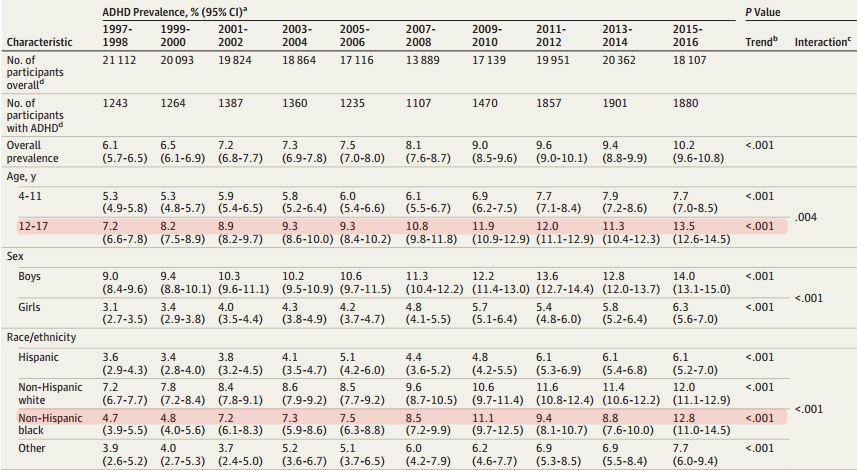 * Key Points ** Question What are the long-term trends in the prevalence of attention deficit/hyperactivity disorder among US children and adolescents over the past 2 decades?
Findings In this study of data from 186 457 children and adolescents aged 4 to 17 years from the National Health Interview Survey, a nationwide, population-based, cross-sectional survey conducted annually from 1997 to 2016, the estimated prevalence of diagnosed attention-deficit/hyperactivity disorder in US children and adolescents increased from 6.1% in 1997-1998 to 10.2% in 2015-2016.
Meaning Among US children and adolescents, the estimated prevalence of diagnosed attention deficit/hyperactivity disorder increased significantly between 1997 and 2016.
Importance Attention-deficit/hyperactivity disorder (ADHD) is common in US children and adolescents. It is important to understand the most recent prevalence of ADHD and its long-term trends over the past decades.
Objective To estimate the prevalence of diagnosed ADHD and 20-year trends from 1997 to 2016 among US children and adolescents using nationally representative data.
Design, Setting, and Participants In this population-based, cross-sectional survey study (National Health Interview Survey), surveys were conducted annually from 1997 to 2016. A total of 186 457 children and adolescents aged 4 to 17 years from 1997 to 2016 were included in this analysis. Data were collected through in-person household interviews with a parent or guardian. The data analysis was performed in January 2018.
Main Outcomes and Measures Attention-deficit/hyperactivity disorder diagnosed by a physician or other health care professional.
Results Among the included 186 457 children and adolescents (96 017 boys [51.5%], 51 350 Hispanic [27.5%], 91 374 non-Hispanic white [49.0%], 28 808 non-Hispanic black [15.5%], 14 925 non-Hispanic other race [8.0%]), 14 704 children and adolescents (7.9%; 10 536 boys [71.7%], 2497 Hispanic [17.0%], 9010 non-Hispanic white [61.3%], 2328 non-Hispanic black [15.8%], and 869 non-Hispanic other race [5.9%]) were reported to have ever been diagnosed with ADHD. The weighted prevalence of diagnosed ADHD was 10.2% (95% CI, 9.6%-10.8%) in 2015-2016. There were significant sex and racial/ethnic disparities in the prevalence of diagnosed ADHD. The prevalence was 14.0% (95% CI, 13.1%-15.0%) in boys and 6.3% (95% CI, 5.6%-7.0%) in girls, 6.1% (95% CI, 5.2%-7.0%) in Hispanic individuals, 12.0% (95% CI, 11.1%-12.9%) in non-Hispanic white individuals, and 12.8% (95% CI, 11.0%-14.5%) in non-Hispanic black individuals. Over the 20-year period, the estimated prevalence of diagnosed ADHD in US children and adolescents increased from 6.1% in 1997-1998 to 10.2% in 2015-2016 (P for trend <.001). All subgroups by age, sex, race/ethnicity, family income, and geographic regions showed a significant increase in the prevalence from 1997-1998 to 2015-2016.
Conclusions and Relevance This study’s findings suggest that among US children and adolescents, the estimated prevalence of diagnosed ADHD increased significantly between 1997-1998 and 2015-2016. This study suggests that additional research is needed to better understand the cause of this apparent rise in prevalence.* 📄 Download the PDF from VitaminDWiki *---
5 years of ADHD drugs increased risk of CVD by 35% (age <25) - Dec 2023**
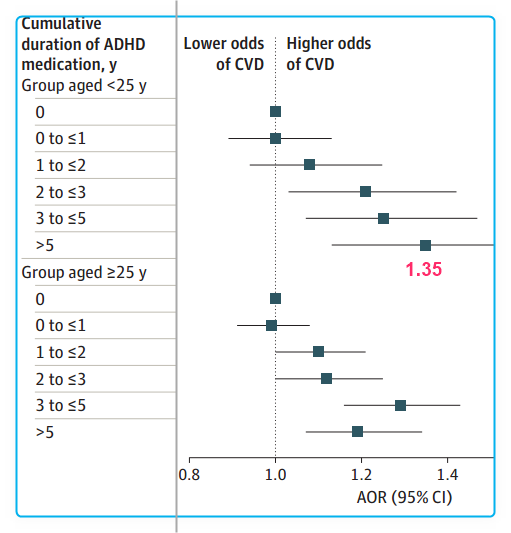
280,000 Swedes (adults & children)
ADHD diagnoses doubled in 2 decades, but 80-90% are not treated - May 2023* MDEdge ** "Children of parents with a bachelor’s degree 11.5% received medications."
Medication: White children 14.8%. Black children, 9.4%
15.7% of boys and 7% of girls were currently receiving ADHD medications.
ADHD prescriptions in the US
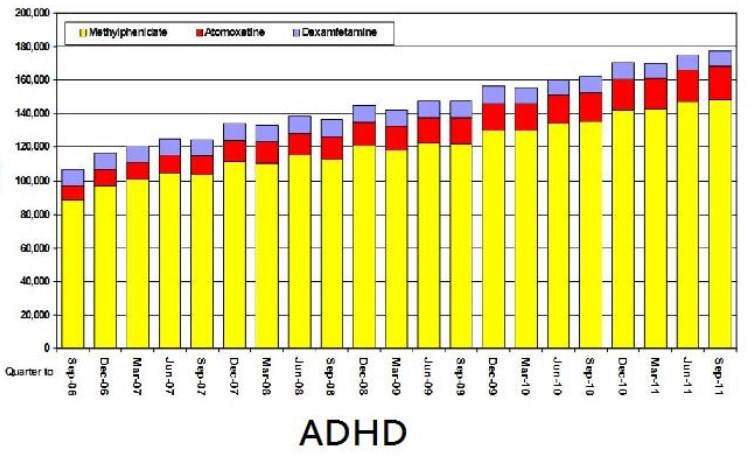
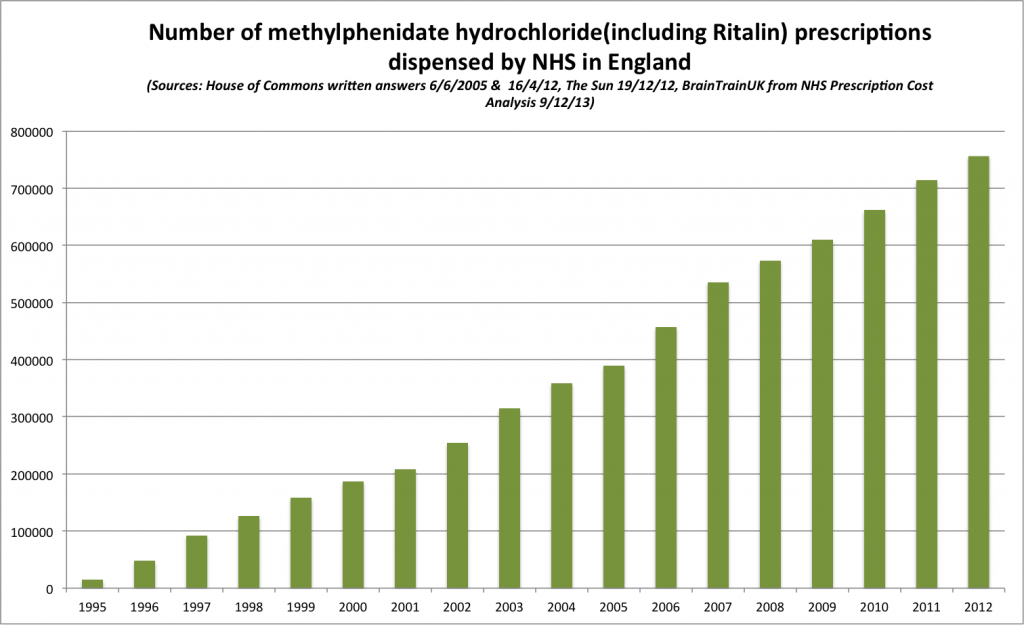
Ritalin in the UK (thru 2012)
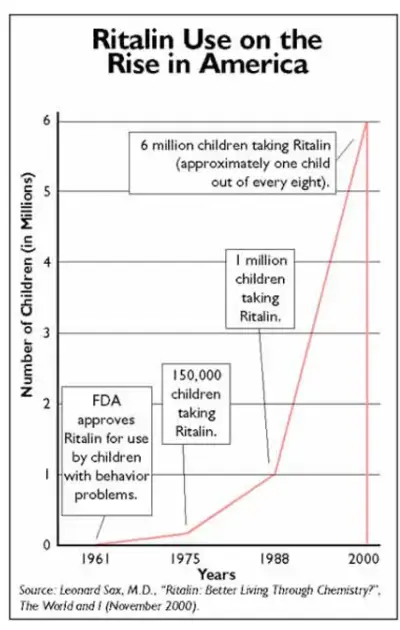
Ritalin increased use in the US (thru 2000)
Overlap of ADHD and Autism, etc. (behaviors, solutions) - - - - - - - - - -
Charts
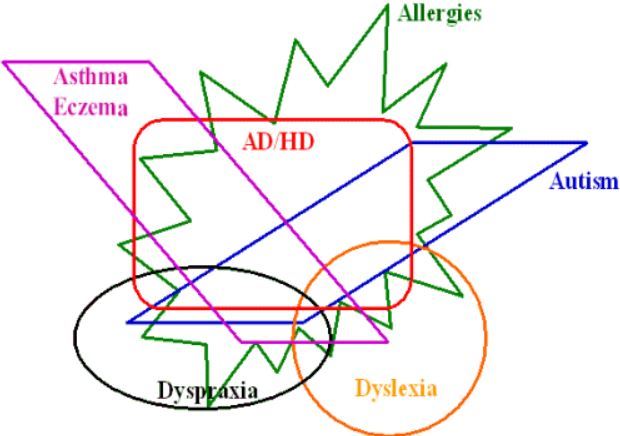
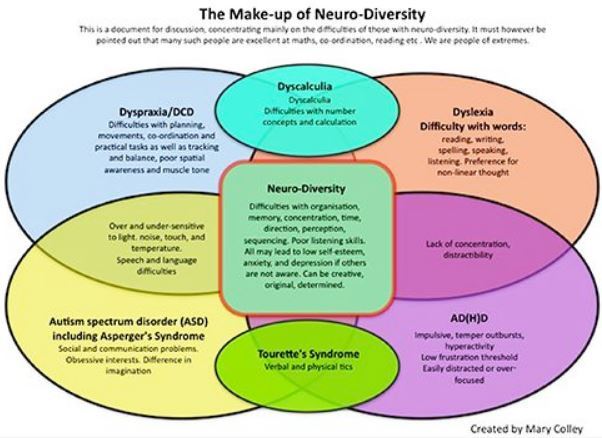
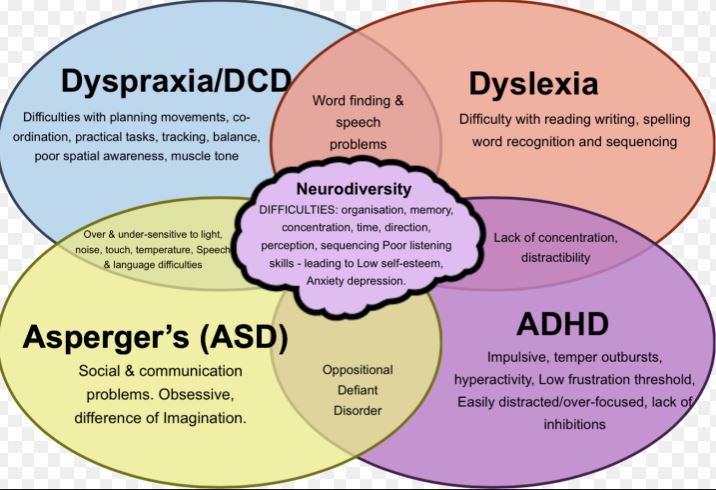
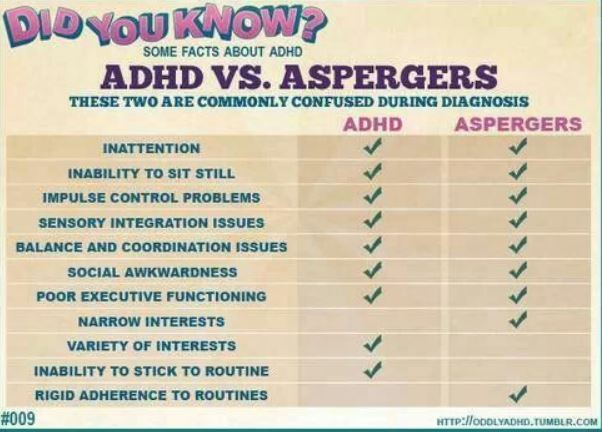
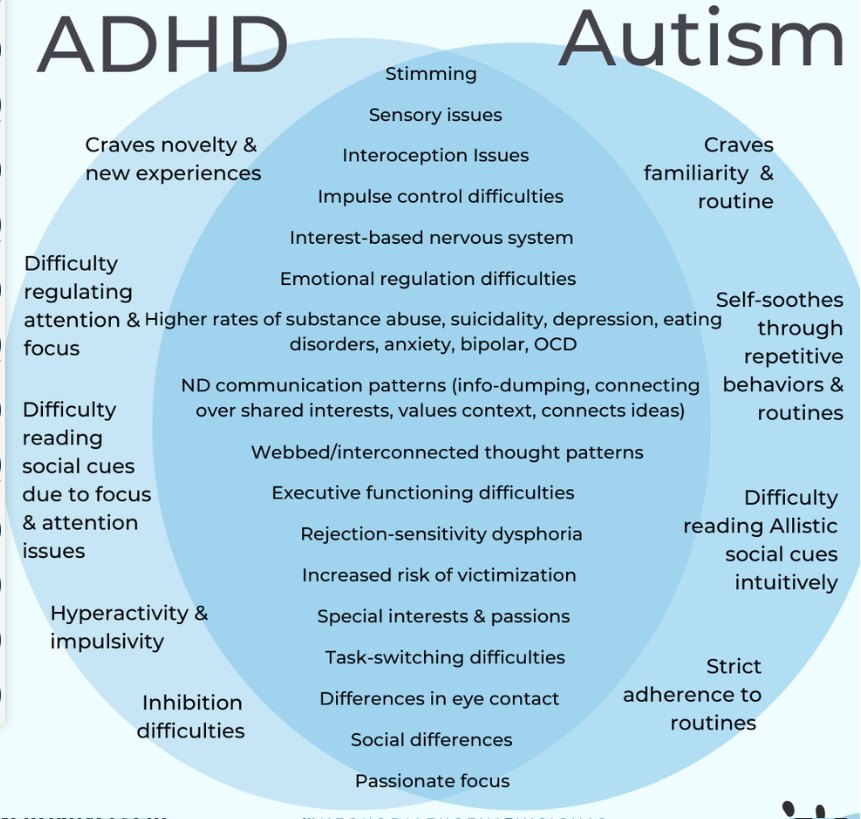
click here for source of blue venn diagram
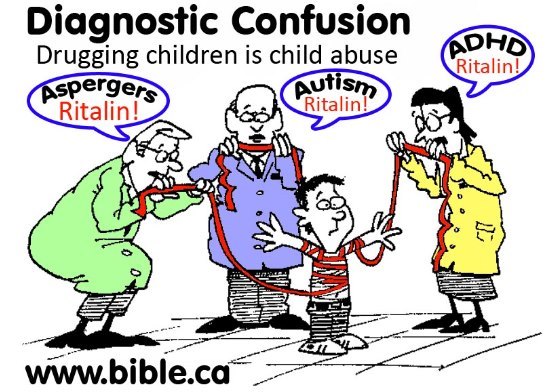
Click here for diagnostic confusion
VitaminDWiki – Autism category contains
{include}
Poor Vitamin D Receptor is associated with Autism ADHD too?
ADHD other - - - - - - - - - - - -
ADHD 3 X more likely if dark skinned mother had taken acetaminophen in 2nd trimester - Feb 2025* Associations of maternal blood biomarkers of prenatal APAP exposure with placental gene expression and child attention deficit hyperactivity disorder *Nature Mental Health volume 3, pages318–331 (2025) https://doi.org/10.1038/s44220-025-00387-6 PDF behind paywall
Brennan H. Baker, Theo K. Bammler, Emily S. Barrett, Nicole R. Bush, Brent R. Collett, Karen J. Derefinko, Daniel A. Enquobahrie, Catherine J. Karr, Kaja Z. LeWinn, Jiawang Liu, Christine T. Loftus, James W. MacDonald, Shanna H. Swan, Qi Zhao, Alison G. Paquette & Sheela Sathyanarayana
Despite evidence linking prenatal acetaminophen (APAP) exposure and adverse neurodevelopment in humans and animals, over half of pregnant women in most populations use APAP. Prior studies could be biased by inaccurate self-reported APAP use, and the molecular mechanisms linking prenatal APAP with adverse neurodevelopment are unknown. Here we estimated associations between maternal plasma biomarkers of APAP exposure, child attention deficit hyperactivity disorder (ADHD) and placental gene expression in 307 African American mother–child pairs.
Overall, detection of APAP in second trimester plasma was associated with higher odds for child ADHD diagnosis (* odds ratio of 3.15 *(95% confidence interval 1.20 to 8.29)). Prenatal APAP exposure and ADHD were associated with placental upregulation of immune system pathways in females and downregulation of oxidative phosphorylation in both sexes. In females only, prenatal APAP was associated with 5.22% higher odds (0.0456–13.1%) of ADHD statistically, mediated through increased immunoglobulin heavy constant gamma 1 (IGHG1) expression. These results highlight placental molecular mechanisms that may underlie developmental toxicity of prenatal APAP exposure.
- - - -* Note: ** Acetaminophen (Tylenol) increases asthma
ADHD Meta-analyses in VitaminDWiki
{category}
items in the ADHD category on VitaminDWiki
{category}
ADHD associated with asthma, sleep disturbances, epilepsy, excess weight, wounds, injuries, RLS* Note: All of which are associated with low vitamin D ** MD Edge Jan 2024 *---
ADHD in Adults
Why adults with ADHD are 3x more likely to start a business - July 2025* Fast Company *"ADHDers, by contrast, have interest-based nervous systems"
"ADHDers often thrive in fast-paced, high-stakes, creative environments."
"These are exactly the kinds of conditions that entrepreneurial life can offer."
1 In 17 US adults have been diagnosed with ADHD
ADHD underappreciated in older adults - Sept 2023* MDEdge ** "Less than half of older adults with attention-deficit/hyperactivity disorder are diagnosed with the condition, and many never receive treatment."
"To assess the possibility of ADHD, a clinician could give a patient a six-item screening test that asks questions such as how often over the previous 6 months have they had trouble completing assignments or remembering appointments. If they report difficulty in four or more of the six areas in the brief screener, clinicians can move on to a longer 18-item screening tool developed by the World Health Organization, Dr. Montano said."
“ADHD cotravels with other mental health disorders like depression, bipolar disorders, anxiety disorders, and substance use disorders at least half the time.”
A person with ADHD lives 8 fewer years (some of which may be due to low Vitamin D) - Jan 2025
Life expectancy and years of life lost for adults with diagnosed ADHD in the UK: matched cohort study - January 2025 FREE PDF
Shared genetic architecture between attention-deficit/hyperactivity disorder and lifespan - March 2023 FREE PDF* Note *Do blacks have a 5 year life penalty due to low vitamin D
Adult ADHD and Vitamin Bs and Vitamin D - 2016* Vitamin levels in adults with ADHD *BJPsych Open. 2016 Nov; 2(6): 377–384, online 2016 Dec 13. doi: 10.1192/bjpo.bp.116.003491
Elisabeth Toverud Landaas, Tore Ivar Malmei Aarsland, Arve Ulvik, Anne Halmøy, Per Magne Ueland, and Jan Haavik
Background: Micronutrients containing vitamins are reported to reduce symptom levels in persons with attention-deficit hyperactivity disorder (ADHD), but data on vitamin levels in ADHD are sparse.
Aims: To examine the relationship between vitamin concentrations, ADHD diagnosis, and psychiatric symptoms in young adult ADHD patients and controls.
Method: Eight vitamins and the nicotine metabolite cotinine were analysed in serum samples from 133 ADHD patients and 131 controls aged between 18 and 40, who also reported ADHD symptoms and comorbid conditions.
Results:* Lower concentrations of vitamins B2, B6, and B9 were associated with the ADHD diagnosis, and B2 and B6 also with symptom severity. Smokers had lower levels of vitamins B2 and B9. *Conclusions: ADHD patients were overrepresented in the group with low levels of some vitamins, possibly indicative of inadequate dietary intake of these micronutrients in a subgroup of patients. It is important to identify these patients in dietary intervention trials for ADHD.
* 📄 Download the PDF from VitaminDWiki Note: these are the Vitamin levels years after ADHD started **---
See ADHD web
What is is like to experience ADHD Aug 2025
Young Women Are Using A.D.H.D. Drugs in Greater Numbers, C.D.C. Reports NYT Jan 2018
Prescriptions are up 7X since 2003 in women aged 25-29. The higher rate in the South and West
Typical drugs: Adderall, Vyvanse, and Ritalin
700 Percent Increase in Prescribed ADHD Treatments Mercola May 2018
- Nonmedical use of* Adderall *was almost 3 X higher than the use of nonmedical marijuana and 8 X higher than the use of cocaine.
Might be able to predict ADHD based on Low vitamin D levels Nov 2013
* 📄 Download the PDF from VitaminDWiki. * Vitamin D and other deficiencies can be mistaken for ADHD short article which refers to the book
Is It Alzheimer’s, or A.D.H.D.? New York Times Sept 2015
- 3 % of Dutch over 60 have A.D.H. D. It overlaps with age-related cognitive decline
ADHD Celebs - pictures

ADHD names from history
Benjamin Franklin, Isaac Newton, Albert Einstein, Galileo, Thomas Edison, Wilbur Wright, Leonardo da Vinci, Walt Disney. Louis Pasteur, Winstone Churchill, Henry Ford, Alexander Graham Bell, Beethoven, Pablo Picasso, William Randolph Hearst, Robert Frost, Frank Lloyd Wright, Nikola Tesla -
from the 2008 book "Healing the New Childhood Epidemics:* Autism, ADHD, Asthma, and Allergies *:
The Groundbreaking Program for the 4-A Disorders," which has a chapter on supplements,* "One of these conditions now strikes one in every three children in America." *---
ADHD Chart of possible reasons (vitamin D not mentioned)
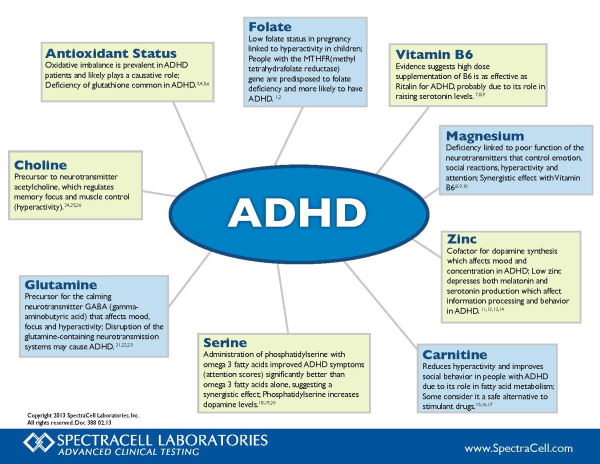
Magnesium and mental illness chart
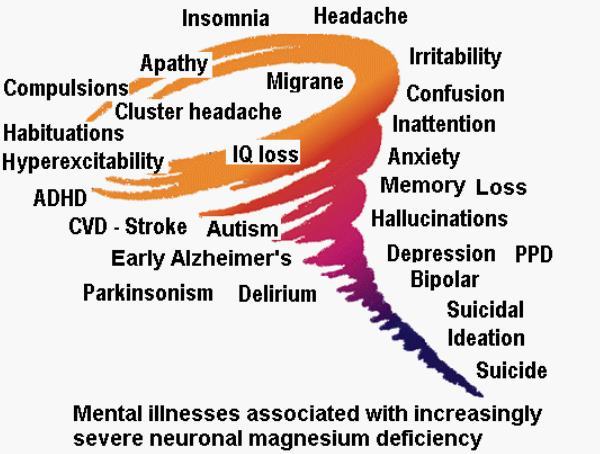 * Which is in Overview Magnesium and vitamin D *---
Brain plasticity software has shown nice improvement in some ADHD symptoms - 2016
Positive Study Results on Software to Address ADHD Symptoms BrainHQ
- " The brain exercise group significantly improved, as compared to the control, on both the response inhibition measure and Stroop interference, a measure of executive function. A trend toward improvement, which did not reach significance, was noted on the two other secondary measures: sustained attention and short-term memory span."
Note: The Founder of VitaminDWiki has been enjoying the great benefits of BrainHQ since about 2005